
Telecommunications and network infrastructure form the foundation of modern business. From 5G wireless to fiber‑optic cables, smart routers and data centers, this infrastructure enables connectivity, innovation, and scalability. Today, companies that strategically invest in robust and reliable telecom networks are creating a significant advantage for themselves, positioning themselves to win in a highly competitive global economy where speed, efficiency, and reliability are of paramount importance. In such an environment, the ability to communicate swiftly and effectively can be the difference between success and failure.
The Importance of Telecommunications and Network Infrastructure
Communication networks are no longer just for calls and emails. They power real‑time video, cloud services, remote work, machine‑to‑machine connections, and Internet of Things (IoT) systems. With infrastructure that supports high bandwidth and low latency, businesses unlock new capabilities.
According to a recent report by Ericsson, mobile networks built on open, autonomous, energy‑efficient designs are shaping the future of telecom. ericsson.com The trend toward cloud‑native infrastructure means network operators and enterprises must think beyond traditional hardware and focus on flexible, intelligent infrastructure.
Key Components of Modern Infrastructure
Fiber‑Optic Networks & Backhaul
Fiber‑optic cables carry massive volumes of data across cities, countries, and continents. They provide the high‑capacity backbones that wireless networks rely on. As networks shift from copper to fiber, companies gain greater speed and reliability.
Wireless and 5G / 6G Technologies
Wireless connectivity is evolving quickly. The rollout of 5G (and the research into 6G) is enabling ultra‑fast speeds, low latency, and support for thousands of connected devices. IEEE Standards Association+1 These networks allow new use‑cases like remote surgery, autonomous vehicles, and smart cities.
Edge Computing & Distributed Data Centers
Instead of sending all data to a far‑away cloud, edge computing places processing closer to where data is generated. This reduces lag and improves response times—key for latency‑sensitive applications like real‑time analytics, AR/VR and automation.
Network Virtualization & Software‑Defined Networks
Networks are becoming software‑driven. Virtualization and network slicing allow for flexible, dynamic infrastructure that can adapt in real time. According to Forbes, virtualization and edge computing are among the top trends shaping telecom network infrastructure.

Why Businesses Must Prioritize Strong Infrastructure
Competitive Advantage
When your network infrastructure supports speed, scale, and innovation, you’re ahead of competitors who struggle with slow connections, downtimes, or limited reach. Reliable infrastructure supports agile operations, remote teams, and global customers.
Digital Transformation & IoT
Every business is becoming a technology business. Whether it’s manufacturing, retail, logistics, or services, IoT devices, sensors, and connected systems require robust telecom networks. With modern infrastructure, you can enable smarter workflows, deeper insights, and new business models.
Customer Experience & Trust
Slow loading pages, dropped calls, or unreliable connections hurt your brand. With top‑tier telecom and network infrastructure, you deliver fast, consistent experiences—building trust with both clients and end users.
Future Readiness
Technology evolves quickly. Networks built using legacy systems will struggle to adapt. Infrastructure designed with modern standards—fiber, edge, virtualization—will scale smoothly as you adopt AI, big data, and new connectivity models.
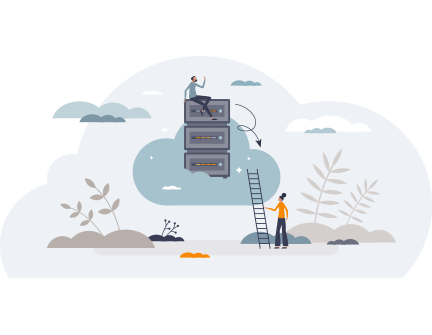
Trends Driving Telecommunications and Network Infrastructure
Cloud‑Native Networks & Automation
Telecom carriers and enterprises are shifting to cloud‑native architectures. Automation and AI are increasingly used to monitor performance, predict issues, and deploy services dynamically. Invoca
Expanded Fiber & Satellite Access
To reach underserved areas and support massive connectivity needs, fiber expansions and satellite systems like low Earth orbit (LEO) satellites are rising. TM Forum Inform
Enhanced Security & Network Resilience
With more devices connected and more data flowing, the importance of secure network infrastructure increases. Companies must build resilient networks that protect against cyber threats and physical disruptions.
Digital Branding and the Role of Short Domains
In a world powered by telecommunications and network infrastructure, your brand name matters. A short, memorable domain becomes an asset that signals innovation and clarity. For companies in this space, short domains help position your brand as modern, global, and tech‑forward.
By choosing a concise domain, you show you are built for the networked future—not tied to outdated legacy systems. It gives your business an edge in digital presence, marketing, and search visibility.
Positioning Your Network Business for Success
If your company builds networks, offers telecom services, or develops infrastructure solutions, keep these in mind:
- Adopt flexible, scalable systems designed for rapid growth
- Ensure your network infrastructure supports the applications of tomorrow
- Build a brand that shows you lead in connectivity, not just follow
- Use a short domain name that reflects simplicity, strength, and speed
Final Takeaway
Telecommunications and network infrastructure aren’t abstract tech topics—they are fundamental enablers of business growth, innovation, and customer experience. If you want to be at the heart of this transformation, you must invest in both your physical networks and your digital identity.
Strong infrastructure supports global scale, faster decisions, and better service. Pair that with a brand that stands out, and you’re ready for the connected future.
Let your infrastructure be reliable, and let your brand be memorable.
If you're building the next big thing in Telecommunications and Network Infrastructure, don't let a long, outdated domain name hold you back. Secure 2si.com today.
Instant purchase option on a globally trusted registrar.
Secure transaction via Sedo’s domain marketplace.
Looking for a Different Domain?
If 2si.com isn't the perfect fit for your brand, you can explore thousands of other premium domains through our trusted partner, Sedo. You can use the search tool below to find available premium domain names that match your business, product, or idea, and then take the first step toward owning a powerful digital identity.